Types Of Curtain Wall System Its Details, Functions And Benefits
However, challenges such as maintenance requirements, insulation problems, and expense considerations need to be addressed attentively to optimize their potential advantages. It can be produced in a virtually limitless mix of shade, density, and opacity. For commercial building, both most common densities are 1⁄4 inch (6.4 mm) monolithic and 1 inch (25 mm) shielding glass. 1/4 inch glass is normally made use of just in spandrel areas, while protecting glass is made use of for the remainder of the structure (occasionally spandrel glass is specified as protecting glass as well). The 1 inch insulation glass is commonly composed of 2 1/4-inch lites of glass with a 1⁄2 inch (13 mm) airspace.
Discovering Waterproofing Failings: 7 Indications In Business Structures

Wood is a renewable and sustainable material that offers a special warmth and personality to Carpet mildew prevention building exteriors. One of the main advantages of steel drape wall systems is their toughness and sturdiness. Steel is an exceptionally solid material that is capable of sustaining big lots, making it suitable for usage in skyscrapers and other structures that require high levels of structural integrity.
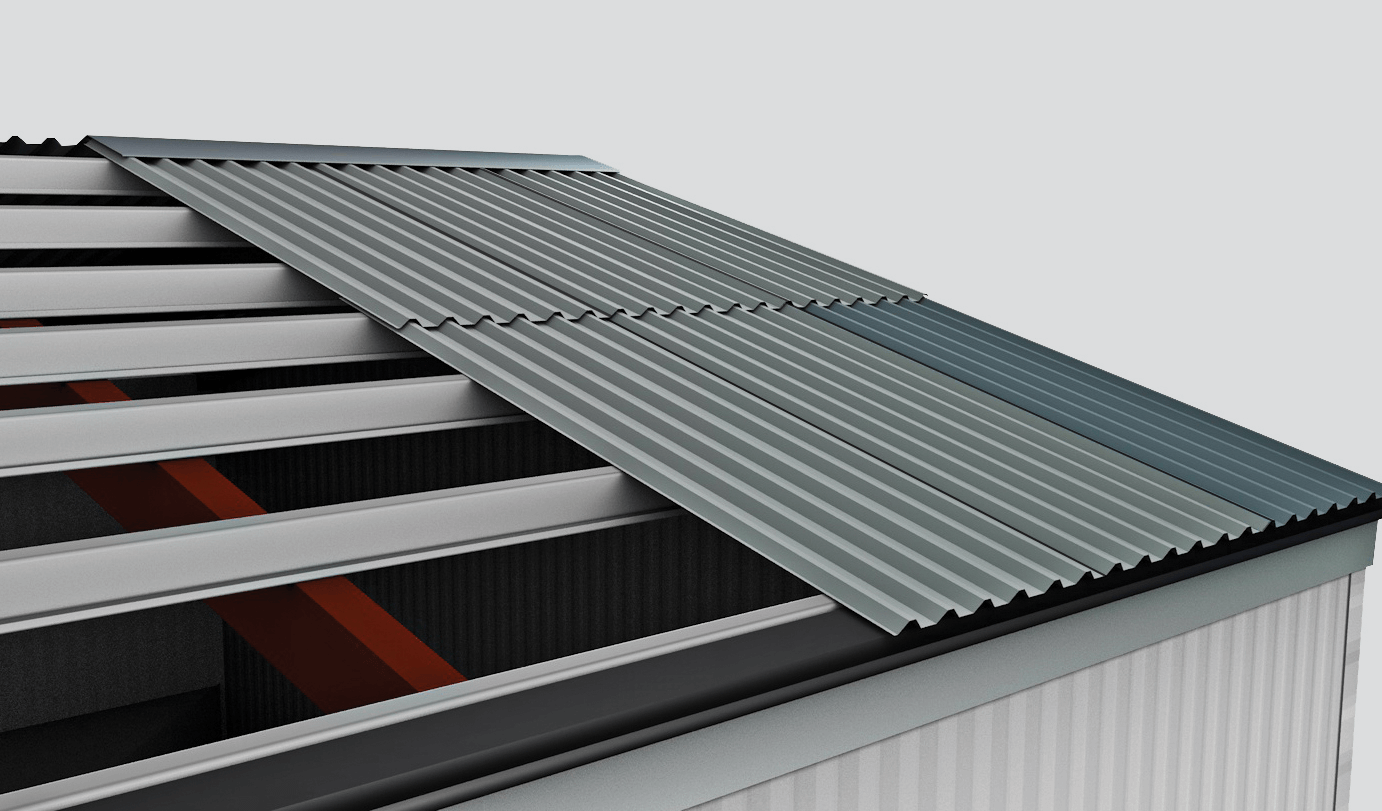
The curtain wall in design is a thin wall surface attached to the external section of a structure. By transferring the straight loads prompted by gravity and wind, the drape wall designs aid supply stability to the structure. It is necessary to note that this outside drape wall surface does not offer structural support for the structure's floor or roof. Its primary function is to avoid wetness and air from passing through the structure's interior; nonetheless, it gives various other benefits also. Drape walls offer a mix of aesthetic appeal and functional benefits that make them an appealing choice in modern building and construction tasks. Their capability to maximize natural lighting, enhance building aesthetic appeals, and provide layout versatility highlights their worth.
What Are The Advantages Of Curtain Wall Systems?
- This more recent alternative introduces a various strategy of bonding the glazing to the mullion.In two-sided architectural glazing, there are still mechanical assistances on two sides of the system.Overall, drape wall systems offer a series of benefits to modern building style, giving both functional and visual advantages.Storefront systems might call for even more frequent upkeep than curtain walls due to their construction and installment in high-use applications and high-traffic areas.The best method to prevent leaks is to identify any type of pressures the drape wall will likely be under.
Usually, aluminum and glass and these wall surfaces are not architectural and can just bring their weight deliberately. These structures highlight the flexibility and benefits of drape walls, showcasing just how they can be adjusted to fulfill the demands of diverse architectural designs and climates. Each system offers distinct benefits, so the selection between stick-built and unitized systems depends on variables like budget, building elevation, and job timeline. Requirements professionals comprehend the relevance of climate-appropriate building products and systems. Depending upon a building's area and the nature of tenancy, curtain wall surface system efficiency will certainly require to exceed requirements for a geographical climate zone or building's Risk Group.
Elements Of Drape Wall Surface Systems
Unlike standard wall surfaces, drape wall surfaces Carpet disinfection services are not load-bearing, which implies they do not provide structural assistance to the building yet only support their very own weight. Taken care of drape walls, or stick curtain walls, are the most typical kind of drape wall surface. Including the current developments in curtain wall surface building is important for meeting future environmental standards and improving structure efficiency. By using lasting products, leveraging sophisticated modern technology, and applying clever systems, the future of drape wall surface design promises raised efficiency and capability. The option between these systems relies on project-specific factors such as budget plan, timeline, design intricacy, and wanted efficiency outcomes.
For instance, the glass is captured between an internal and an outer gasket in an area called the polishing discount. The glazing rebate is ventilated to the exterior to make sure that the stress on the internal and outer sides of the external gasket coincides. When the pressure is equal across this gasket, water can not be attracted via joints or defects in the gasket. Drape walls are non-structural cladding systems for the exterior walls of structures. Thin and light-weight, they are frequently made from a blend of both aluminium and glass, and are transparent, suggesting the structure's inhabitants will be able to value the extensive cityscape.
By contrasting the numerous drape wall surface systems alongside, it is less complicated to see the differences and make an informed decision. Timber is a renewable energy that is expanded and collected in an accountable manner, making it an extra eco-friendly option contrasted to other building materials. In addition, hardwood can be recycled and repurposed at the end of its valuable life, more minimizing its ecological effect. Unitized curtain wall systems are pre-fabricated off-site and installed as pre-assembled systems onto the structure framework. This system can be extra expensive, but uses faster installation times and decreased on-site labor. By the balanced allocation of the kinetic pressure upon the structure's surface area, curtain wall building enables a framework to create better resistance versus wind, improving its security. Precipitation in the form of snow and rainfall can adversely impact a structure if the dampness is able to invade the indoor space of the structure. Dampness causes damp insulation, which then decreases a building's power performance. The curtain wall system creates a barrier to stop rain and snow from going into so that the structure can hold up against the elements that might otherwise compromise its weather condition defenses.